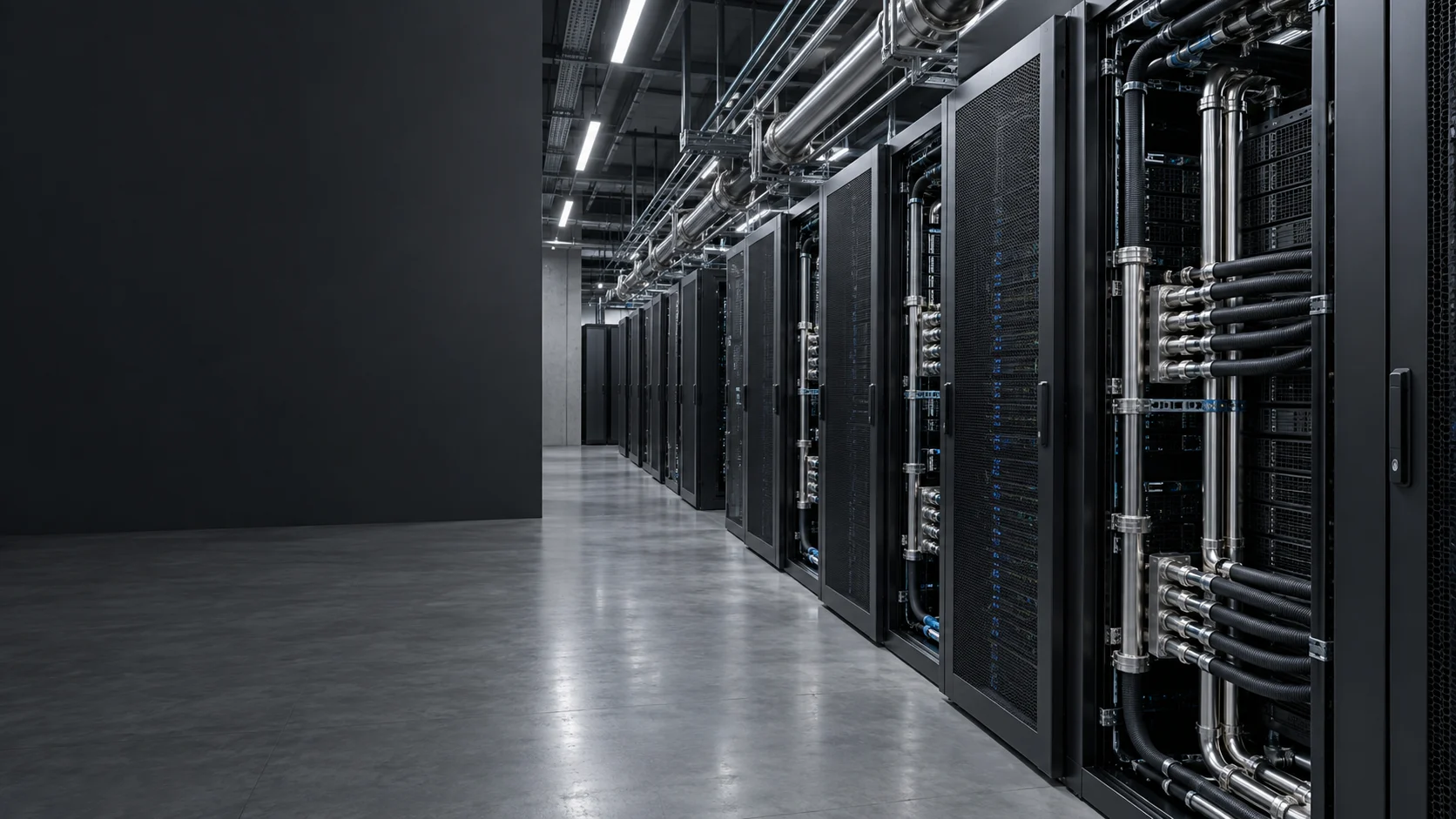
Concept illustration of a modern AI data-center environment
Applications / AI infrastructure

Cooling, matched
to your environment.

From a pilot rack to a complete AI cluster.
Find the cooling approach that fits your site.

Explore the applications
AI-GENERATED CONCEPT IMAGE
Find your application

Different conditions.
A defined approach.

Select a setting to see the cooling path,
relevant equipment and selection priorities.

FACILITY WATER AVAILABLE

A clear path from rack to facility.

Match the server loop to available facility water.

Discuss this solution
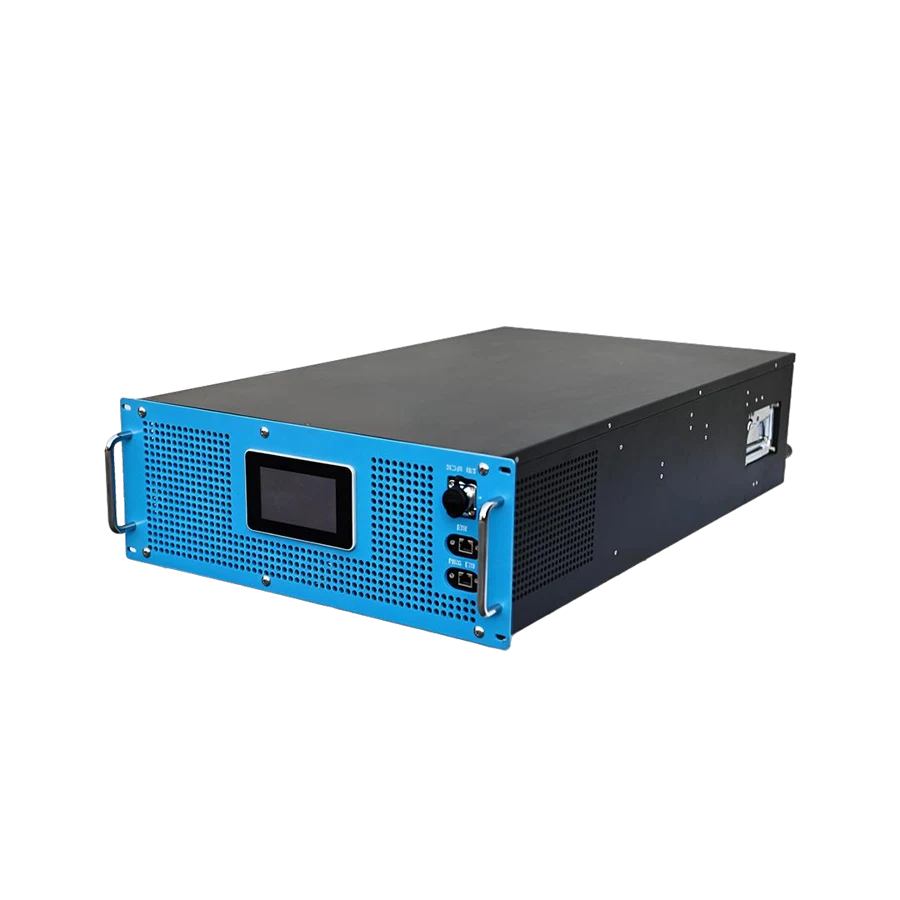
Rack liquid-to-liquid CDUs
Rack liquid-to-liquid CDU
65 / 130 kW

The approach

Use a liquid-to-liquid CDU to exchange heat between the server coolant loop and the facility loop. Match rack manifolds, hoses and connectors to the approved server configuration.

What makes it a fit

Facility water being available is not enough: its temperature, flow and pressure must meet the selected CDU’s requirements. Residual server heat still needs room cooling. Confirm coolant quality and dew-point control against the server requirements.

Heat transfer
  1. 01Server cold plates
  2. 02Rack manifolds
  3. 03Liquid-to-liquid CDU
  4. 04Facility heat rejection

Heat-transfer path · The CDU separates the server and facility fluid circuits.

Project example & selection requirements
“We have a new AI rack and facility water. Which CDU and rack connections should we specify?”

You are installing liquid-cooled servers and have a building cooling-water connection. You need to match the server loop to the facility without mixing the two fluids.

  • What is the maximum liquid-side heat load and the supported server coolant temperature?
  • What facility supply/return temperatures, flow and pressure are available?
  • Which coolant, connector series and redundancy level does the server platform require?

65 / 130 kW rack CDU families provide a starting point for evaluation—not an automatic match to a rack’s electrical rating.
NO FACILITY-WATER CONNECTION

Liquid cooling for your pilot lab.

Evaluate liquid-cooled servers using existing room cooling.

Discuss this solution
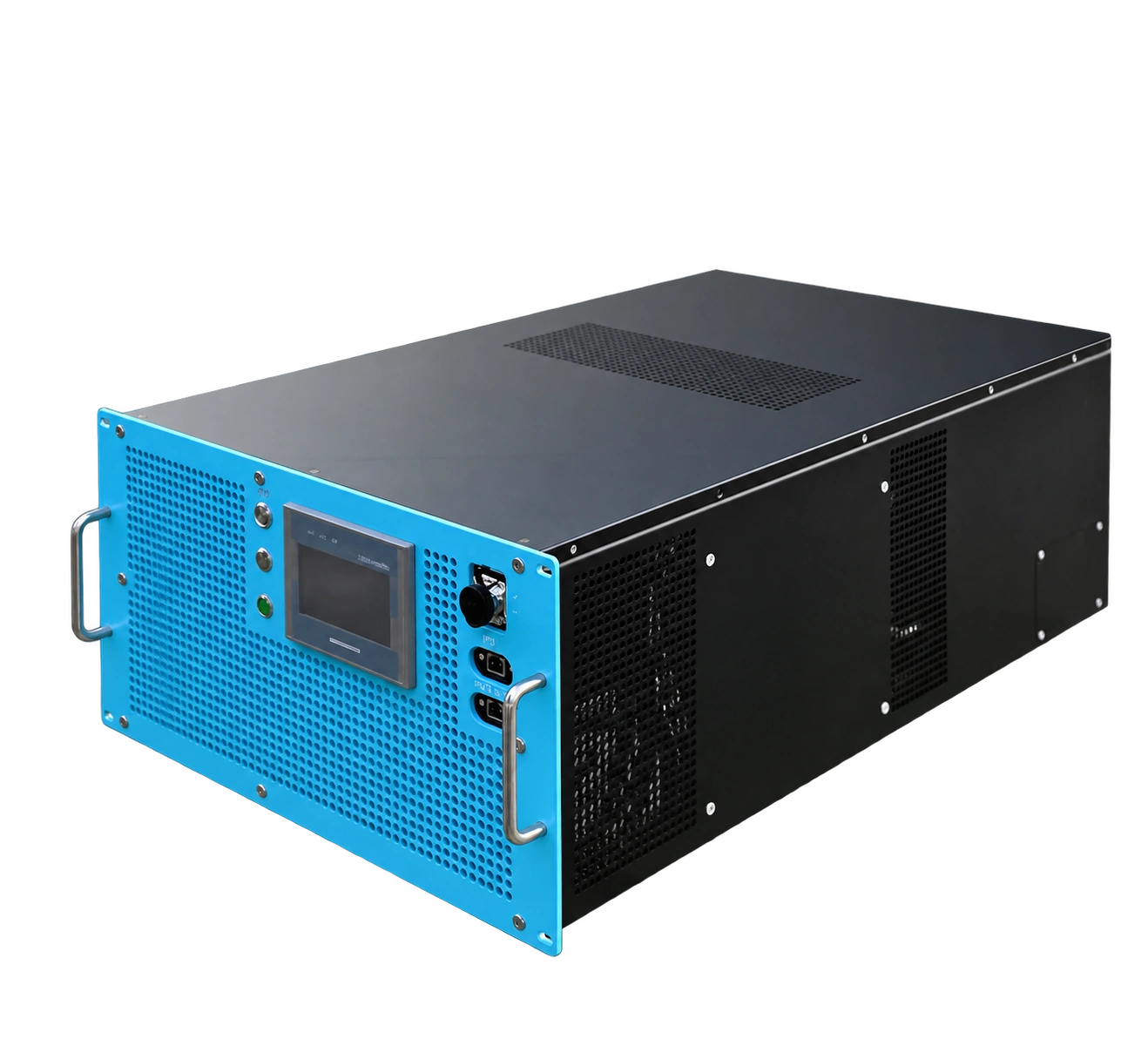
Rack liquid-to-air CDUs
Rack liquid-to-air CDU
8 / 12 / 18 kW

The approach

Consider a rack liquid-to-air CDU. It circulates server coolant and releases the collected heat into room air; the existing air-conditioning system must then remove that heat.

What makes it a fit

This is only suitable where room cooling has enough spare capacity. A liquid-to-air CDU does not replace air conditioning or make the room heat disappear.

Heat transfer
  1. 01Server cold plates
  2. 02Liquid-to-air CDU
  3. 03Room air
  4. 04Room AC → outdoors

Heat-transfer path · Heat remains in the room until the air-conditioning system removes it.

Project example & selection requirements
“We want to test two liquid-cooled servers without adding building-water pipework.”

You need to evaluate a small number of liquid-cooled servers in a laboratory or IT room that has air conditioning but no facility-water connection.

  • What are the server model, maximum liquid-side load and permitted coolant temperatures?
  • What is the worst-case room temperature and verified spare air-cooling capacity?
  • What rack space, airflow clearance and noise limits apply?

8 / 12 / 18 kW rack CDU classes suit initial product discussions. Actual duty depends on room-air temperature and coolant conditions.

EXISTING DATA-CENTER RETROFIT

A considered upgrade for an existing room.

Bring higher-density compute into a working data center.

Discuss this solution
Liquid-cooled & rear-door racks
Hybrid air and liquid cooling cabinet
44OU / 48U formats

The approach

First separate the air-cooled and liquid-cooled loads. Assess rear-door or hybrid cabinet cooling for compatible air-cooled racks, or a CDU and approved cold-plate loop for liquid-ready servers.

What makes it a fit

Rear-door and hybrid options still need a suitable heat-rejection path. Do not retrofit cold plates to servers without confirming OEM compatibility, warranty and service implications.

Heat transfer
  1. 01Server heat
  2. 02Rear-door / hybrid / cold-plate option
  3. 03Matched cooling loop
  4. 04Facility heat rejection

Alternative architectures · These options are selected by rack and server type, not connected in series.

Project example & selection requirements
“We are adding higher-density servers to a working room and need a phased cooling upgrade.”

New compute equipment is creating a cooling bottleneck in an existing room. Some servers may remain air-cooled while others support direct-to-chip cooling.

  • Which racks and servers remain air-cooled, and which are approved for liquid cooling?
  • What water, electrical capacity, rack dimensions and maintenance clearances are available?
  • What downtime is acceptable, and how will installation be phased?

Rack, rear-door and 35 / 55 kW hybrid cabinet families support different retrofit approaches. Validate the heat split before selecting a configuration.

OUTDOOR & MODULAR COMPUTE

A cooling design that starts with the climate.

Plan around temperature, utilities and site constraints.

Discuss this solution
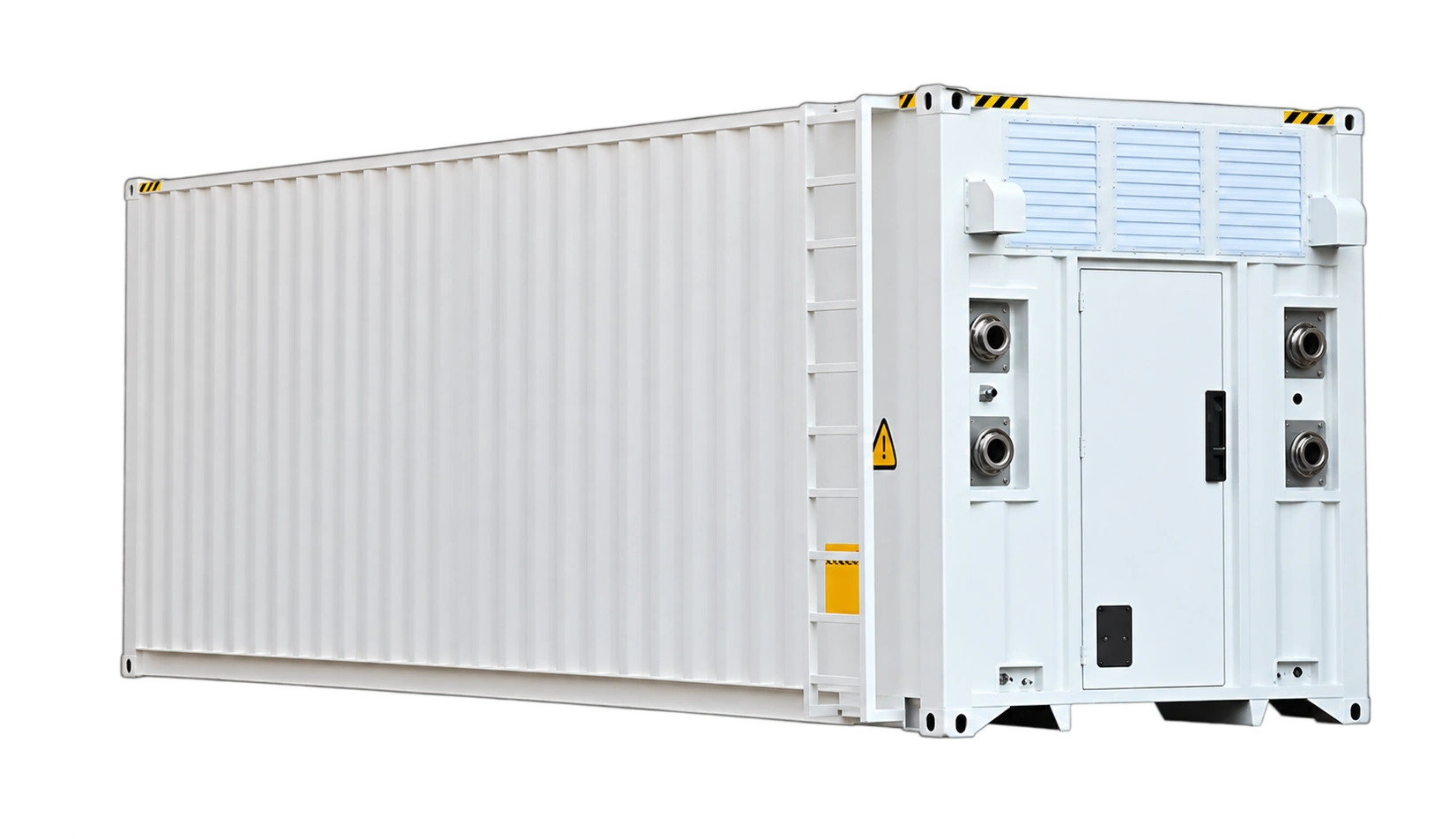
20 ft liquid-cooled compute module
20 foot modular liquid-cooled compute enclosure
1.2 MW listed class

The approach

Coordinate the compute module, CDU, external heat-rejection equipment and residual air cooling as one site design. Evaluate dry, evaporative or mechanical cooling only against the local design conditions and resource limits.

What makes it a fit

A dry cooler alone cannot guarantee a low coolant supply temperature in every hot climate. Define peak design conditions, approach temperatures and any need for supplemental cooling before quoting.

Heat transfer
  1. 01Compute module
  2. 02CDU / coolant loop
  3. 03Site-selected heat rejection
  4. 04Outdoor environment

Conceptual heat path · The final equipment mix follows climate and utility assessment.

Project example & selection requirements
“We need a modular AI installation at a hot, dusty site. Can the cooling maintain the server’s required inlet temperature?”

You need a packaged compute installation at a new site. Outdoor temperature, humidity, dust and utility availability will shape the cooling design.

  • What are the location, design dry-bulb/wet-bulb temperatures, dust and corrosion exposure?
  • What grid power, water, footprint and external cooling space are available?
  • Which compute platform, availability target, local requirements and commissioning scope apply?

20 ft and 40 ft module concepts provide packaging options. Useful IT capacity depends on the compute platform, site cooling duty and electrical design.

HIGH-DENSITY AI CLUSTERS

One cooling strategy. Across the cluster.

Coordinate distribution, redundancy and expansion.

Discuss this solution
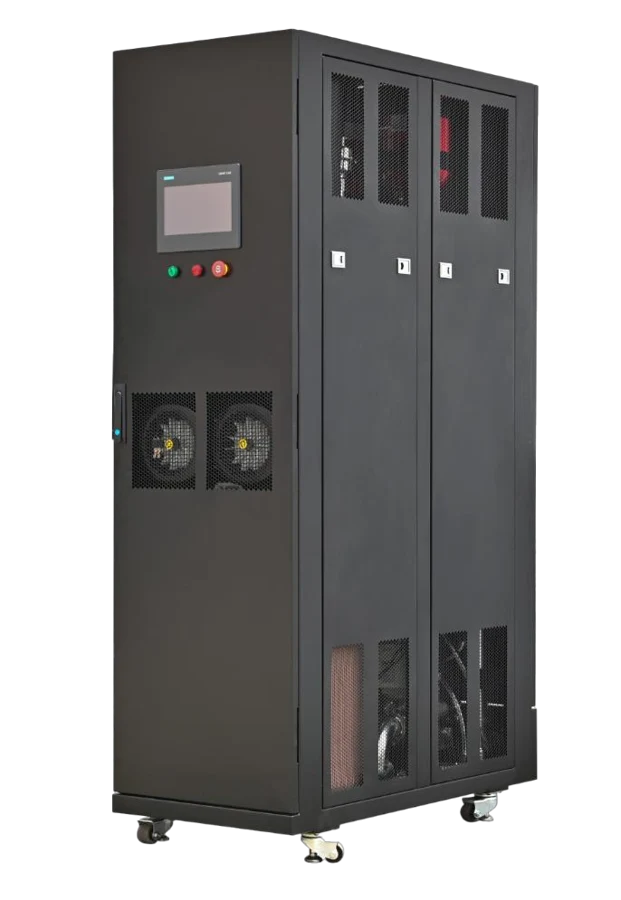
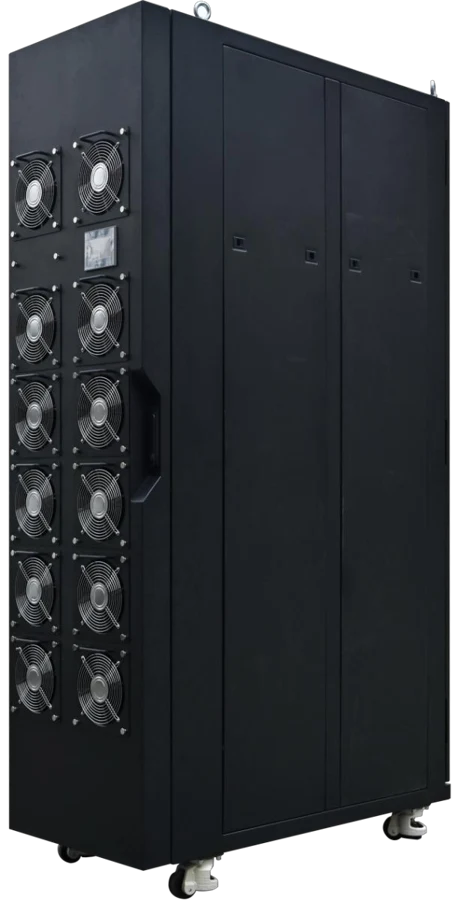
Floor-standing liquid-to-liquid CDUs
Floor-standing coolant distribution unit
500–2,000 kW

The approach

Evaluate floor-standing liquid-to-liquid CDUs serving matched rack distribution circuits. Define the normal and fault operating cases, branch flow balance, isolation points, controls and room-air cooling alongside the facility plant.

What makes it a fit

Do not size the system by adding nameplate capacities alone. Check required duty with equipment unavailable, facility limits, hydraulic losses and the server platform’s coolant specifications.

Heat transfer
  1. 01AI rack cluster
  2. 02Distribution network
  3. 03Floor-standing CDUs
  4. 04Facility heat rejection

Heat-transfer path · The layout and redundancy scheme are engineered for the project.

Project example & selection requirements
“We have a multi-rack AI cluster planned in phases. How should we size the CDUs and distribute coolant?”

You are deploying several liquid-cooled racks and need a coordinated approach to coolant distribution, shared capacity, redundancy and future expansion.

  • What are the maximum liquid-side load per rack, total load and expansion phases?
  • What capacity must remain available during planned maintenance or a component failure?
  • What facility duty, pressure-drop allowance, monitoring and leak-response requirements apply?

500 / 800 / 1,000 / 1,500 / 2,000 kW floor-standing CDU classes are available for evaluation at validated operating conditions.

TESTING & COMMISSIONING

Validate the system before the servers arrive.

Test cooling performance and controls before deployment.

Discuss this solution
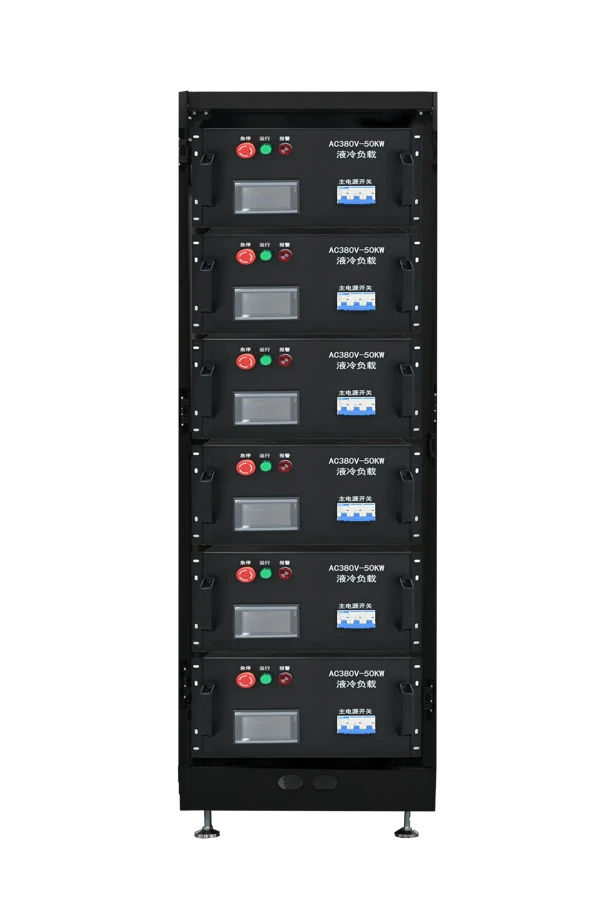
Liquid-cooling load banks
Liquid-cooling load bank for validation
40 / 50 kW

The approach

Combine a suitable test CDU or existing cooling source with liquid-cooling load banks. Add coolant/material testing or production test stations when those are part of the agreed validation scope.

What makes it a fit

Match heat generation to the cooling source and flow throughout the test. A 12 kW test CDU should not be paired with a 50 kW load bank at full load without additional validated cooling.

Heat transfer
  1. 01Load bank / test device
  2. 02Instrumented coolant loop
  3. 03Test CDU / cooling source
  4. 04Site heat rejection

Test arrangement · Heat generated during testing still requires an adequate cooling source.

Project example & selection requirements
“We want to verify temperature control, flow and load response before our AI servers are delivered.”

You need to test components, validate a coolant loop or commission installed cooling before connecting production servers.

  • What load profile, temperature stability and flow/pressure range must be tested?
  • What is the verified cooling-source capacity and which coolant will be used?
  • What cleanliness, venting, leak-detection, alarm and fault-response tests form the acceptance criteria?

40 / 50 kW load-bank classes, a 6U / 12 kW test CDU and specialist test equipment cover different duties; they are not automatically a matched set.

Illustrative applications. Final performance, configuration and compatibility are confirmed for each project.

Start with your site

Let’s define your
cooling requirements.

Share your compute platform, site conditions and deployment plans.

Talk to COOLMORROW
See the application in context

Explore supplier
project references.

Four references covering server retrofits, high-density AI and modular infrastructure.

View project references